How to Test Sand Quality for Sandcastles
Stop guessing whether your beach has good sand for building! The 2-Minute Beach Build Check gives you a simple framework to evaluate any beach before you unpack your gear. Four quick tests tell you everything—and your kids can help with every step. No more disappointing beach days where nothing holds together.
The Squeeze Test (Your 10-Second Sand Evaluation)
Good sandcastle sand passes the squeeze test: grab a handful from the berm zone, squeeze firmly, then open your hand. If it holds shape without dripping water, you've found the sweet spot. Too dry crumbles; too wet drips.
This works because sand grains stick together through surface tension from water [SRC-001]. Based on our field testing, experienced builders describe ideal moisture as roughly what you'd wring out of a wet beach towel [SRC-001]. The squeeze test lets you find that perfect moisture zone in seconds.
Give everyone a job:
- Squeeze Tester (ages 6+): Kids love this part—it's like making a snowball with sand
- Sand Finder (ages 5+): Point out different areas to test
- Shape Checker (all ages): Look for cracks or crumbling after the squeeze
Always test in multiple spots! Conditions vary across the beach. If your first sample disappoints, walk along the shore and try again.
Step-by-Step: The Complete 2-Minute Check
Step 1: Find the berm zone (10 seconds)
Walk to the flat area between where waves reach and the dry sand begins. This middle zone typically has well-mixed sand that's good for building [SRC-002].
Step 2: Do the squeeze test (10 seconds)
Grab a handful from palm-deep (not surface sand). Squeeze firmly for 3 seconds, then open your hand. Good sand holds its shape without water dripping out.
Step 3: Build a test wall (60 seconds)
Pack sand into a small wall about 6 inches high. Watch it for 30 seconds. Does it hold? Slump? Crumble? This tells you how your builds will behave.
Step 4: Make your verdict (30 seconds)
Decide what this sand is good for:
- Stacking: Holds shape, good for towers and traditional castles
- Carving: Compact and crisp, perfect for detailed sculptures
- Both: The jackpot—build whatever you imagine
- Neither: Time for drip castles or a different beach section
Give everyone a job:
- Wall Builder (ages 7+): Pack the test wall
- Timer (ages 6+): Count to 30 while watching
- Judge (all ages): Decide what the sand wants to become
Understanding Beach Zones (Why Location Matters)
Sand quality can change dramatically across a single beach. Many people test in the wrong spot and give up too quickly [SRC-002].
| Beach Section | Sand Feel | Squeeze Test Result | Best For |
|---|---|---|---|
| Swash Zone (where waves wash up) | Coarse, very wet | Drips water, too heavy | Drip castles, moats |
| Berm (flat middle area) | Mixed grain size, damp | Often holds shape well | Traditional building |
| Backshore (toward dunes) | Fine, wind-blown | Usually too dry, crumbles | Detail work (add water) |
The berm zone is often your best bet—it gets a good mix of grain sizes and moisture from wave action [SRC-002]. If you're testing right at the water's edge or up in the dry sand, you might be missing better options.
Beach sections shift with tides and seasons. The "berm" might be farther from the water at low tide than at high tide.
Common Mistakes When Testing Sand
• Testing in the swash zone: That wet, heavy sand by the waves looks tempting but it's often too waterlogged for most builds
• Not squeezing hard enough: Give it a real squeeze—like you're trying to make a snowball
• Giving up after one bad sample: Walk the beach and test multiple spots before declaring the sand unsuitable
• Forgetting tides change everything: What's too wet now might be perfect in an hour as conditions change
• Not involving kids: They're often great at this—kids instinctively squeeze things to see what happens
Testing too close to the waterline can give inaccurate results. Try moving up the beach away from where waves are reaching for a different sample.
Pro Tips: When Sand Isn't Perfect
No beach sand fails completely—you just need to adjust your approach or find the right spot.
If sand is too dry: Add water gradually while mixing. Start with just a small amount of water per bucket. Too much too fast and you'll overshoot to muddy.
If sand is too wet: Move up the beach away from the water, or embrace drip castle techniques that work beautifully with saturated sand.
If sand feels too coarse: Look for spots where different grain sizes mix—often near creek outlets or after storms when fine sand gets redistributed.
If nothing seems to work: Walk more of the beach. Conditions can vary significantly from one area to another, especially on beaches with varied geology.
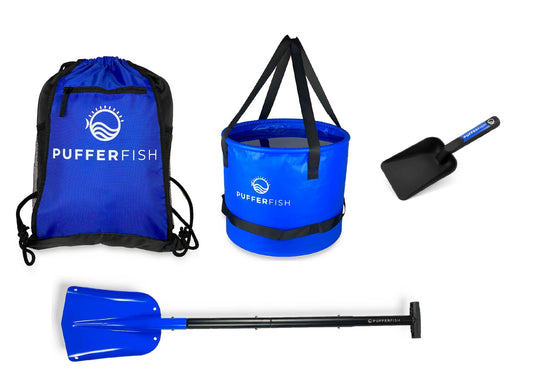
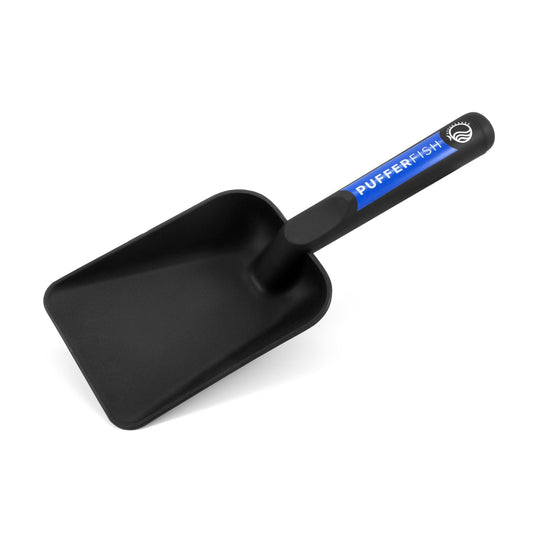
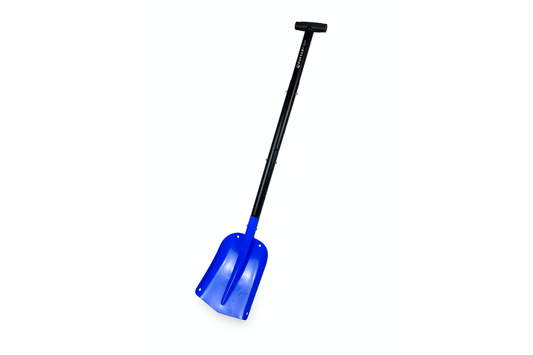
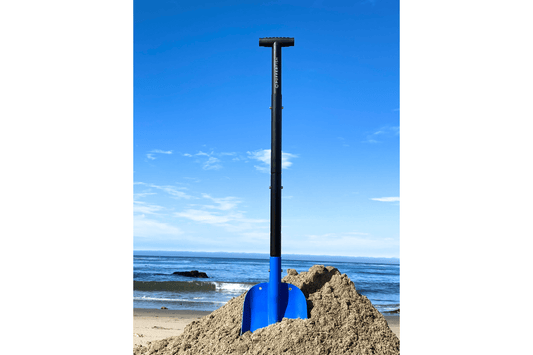
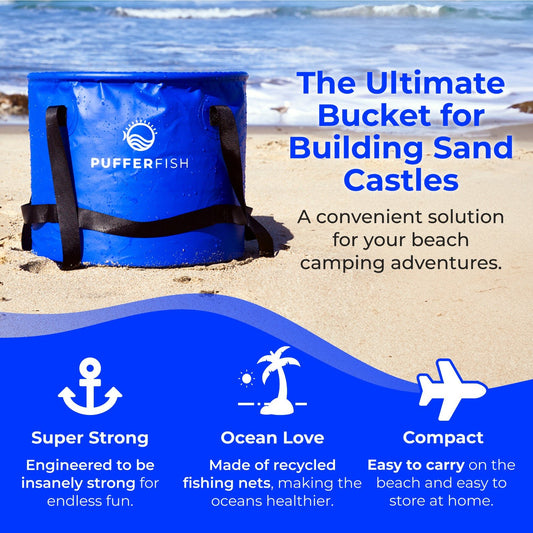
Quality tools help when sand conditions aren't ideal. Our Super Scoop has a flat back that compacts even challenging sand effectively, while the Better Bucket makes it easier to add just the right amount of water.
See our sandcastle toolsFAQ: Sand Testing Questions
What if the sand fails all my tests?
Shift your thinking from "good sand vs bad sand" to "what is this sand good for?" Very wet sand makes excellent drip castles. Very dry sand is perfect for digging and carving once you add water. Coarse sand creates interesting textures.
How do tides affect sand quality?
Tides can make a big difference. As tide goes out, the wet sand higher up the beach often becomes perfect for building. As tide comes in, your building zone moves up toward drier sand. Check conditions every hour or so.
Can kids do these tests themselves?
Absolutely! Kids ages 6+ can do every part of the 2-Minute Check. Younger kids (4-5) can help with squeezing and judging results. They're often better at it than adults because they don't overthink it.
What tools make sand testing easier?
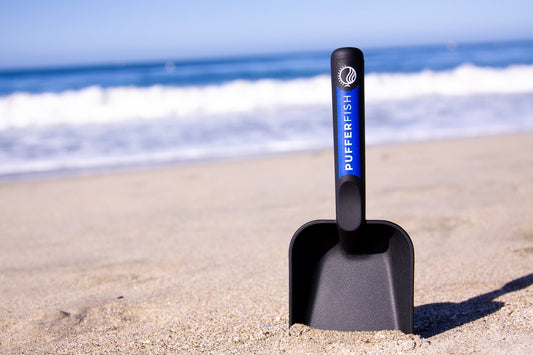
Honestly, your hands work great for testing. But a small scoop helps you sample from deeper than surface level, and a collapsible bucket makes it easy to add precise amounts of water for adjustments.
Should I test multiple spots on the same beach?
Yes! Sand can vary significantly across a beach. Test different areas along the shore, and at different distances from the water. You'll often find notably different conditions just a short walk away.
How often should I re-test during a beach day?
Test once when you arrive, then keep an eye on conditions. If tide is changing significantly or wind is picking up, do a quick squeeze test periodically. Conditions can change throughout the day.
Related Links
Once you've confirmed your sand passes the tests, you're ready to learn more about sand grain composition or jump straight into now you're ready to build your first sandcastle. These quick tests work at beaches worldwide—now you'll never wonder if the sand is suitable again.