How to Test Beach Sand for Sandcastles
To know what sandcastles will work at any beach, use the 3-step squeeze test: Grab damp sand from the middle of the beach, squeeze firmly for 3 seconds, then open your hand. Sand that holds its shape is good for carving and towers. Sand that crumbles may need more water, or works better for bucket molds where you pack it firmly. Sand that drips water is perfect for drip castles. Every beach has sand that's good for something — the trick is matching your build to what the sand wants to do.
Do this when you arrive: Walk to the middle of the beach (between where waves reach and where sand gets dry). Grab a handful, squeeze, and check the result. This simple test takes 10 seconds and points you toward building styles that will work well today.
What Makes Good Sandcastle Sand?
Good sandcastle sand holds its shape when squeezed but doesn't drip water. For most builds, sand with fine to medium grains works well — it needs enough moisture to bind together and should pack firmly without crumbling. Most beaches have usable sand somewhere — you just need to find the right spot and match your building style to what the sand can do.
Match the Sand to the Build
Here's the key insight that experienced builders know: different sand works for different builds. Sand that's too coarse for fine detail might be perfect for stacking tall towers. Sand that won't hold a carved edge might still work great for bucket molds and packed shapes. There's almost always something fun you can build.
Sure, if you want to build the most intricate towering castle you've ever seen, you'll want to seek out a beach with ideal grain size and perfect moisture — and those beaches exist! But for most of us, it's about making the most of the beach we're at.
- Sand holds shape, cuts cleanly? Great for detailed carving, sculpture faces, intricate designs — see our sandcastle building guide for techniques
- Sand packs firmly but has rougher texture? Perfect for tall stacking towers, traditional castles with thick walls
- Sand is very wet and flows easily? Ideal for drip castles — let gravity create organic towers and shapes
- Sand is dry but fine-grained? Add water and you may have excellent carving sand
- Sand won't hold at all? Try digging shapes into the sand instead — relief sculptures carved down into the beach can look great
- Any sand, any condition? Sand drawing works everywhere — use a stick, rake, or your fingers to draw geometric shapes, curves, and patterns
The squeeze test tells you which direction to go. Then you pick a project that works with — not against — your beach. Are you building up, carving down, or drawing on top? Going for big chunky mounds, or intricate details? A castle, a creature, or something else entirely? The sand will tell you what it wants to be.
The Quick Sandcastle Check
Here's how to evaluate any beach in about a minute:
Step 1: Feel Test (10 seconds)
Walk to the middle section of the beach — between where the waves reach and where the sand gets dry. Grab a handful. Does it feel like sugar (fine and smooth) or more gritty and coarse? Are there shell fragments that feel sharp? Fine "sugar sand" often works well for detailed carving; coarser sand can be great for stacking towers and bucket molds.
Step 2: Squeeze Test (10 seconds)
Add a splash of water if the sand feels dry, then squeeze a handful firmly for 3 seconds. Open your hand and check:
- Holds shape like clay? Great for carving and detailed sculpture
- Crumbles immediately? Add more water and try again — or plan for stacking and packing builds
- Water drips out? Perfect for drip castles, or move further from the waterline for firmer sand
Step 3: Tower Test (30-60 seconds)
Pack a small test tower about 6 inches high. Let it sit for a moment and observe. Does it slump or hold its shape? When you cut into it with your finger, does it shear cleanly with crisp edges, or does it crumble? Each behavior tells you something useful about what builds will work.
Give everyone a job:
- Feel Tester (ages 6+): Kids love running their hands through different sand textures
- Squeeze Master (ages 5+): The squeeze test is perfect for little hands to help evaluate
- Tower Builder (ages 7+): Building and observing the test tower teaches building basics
- Beach Scout (ages 8+): Walking the beach to find different sand zones
Reading Beach Sand: What to Look For
| What to Check | What You Find | What It's Good For |
|---|---|---|
| Feel | Sugar sand (fine, smooth) | Detailed carving, smooth walls |
| Feel | Gritty, coarser grains | Stacking towers, thick structures |
| Feel | Shell fragments | Try a different spot — shells can make detailed work harder |
| Squeeze Test | Holds shape, no dripping | Carving, sculpture, precise work |
| Squeeze Test | Crumbles but packs | Traditional castles, bucket-molded shapes |
| Squeeze Test | Water drips out | Drip castles, flowing sand art |
| Tower Test | Holds shape, shears cleanly | Detailed architecture, arches, faces |
| Tower Test | Slumps but stays together | Organic shapes, rounded forms |
Why the squeeze test works: When you squeeze wet sand, water creates thin bridges between the grains that help them stick together (see our sand science explainer for more). The squeeze test tells you if there's enough moisture for binding without so much that the sand flows like liquid. Builders often describe the ideal moisture as "damp but not dripping" — roughly what you'd wring out of a wet towel.
Common Mistakes When Evaluating Beach Sand
Testing sand too close to the water. The area where waves wash up is often too saturated for stable building — the sand tends to be heavy and may not hold shape. Move toward the middle of the beach for more consistent results.
Only checking one spot. Sand quality can vary dramatically across a single beach. Walk along the shore and test a few different areas. You might find a perfect building spot just a short walk away from mediocre sand.
Judging by color or appearance alone. Dark sand isn't necessarily better than light sand, and pretty shell-speckled sand often has fragments that make building difficult. Trust your hands, not your eyes.
Not accounting for tide timing. The "good sand" zone shifts as tides change. What worked at low tide might be underwater at high tide. Always check current conditions when you arrive.
Thinking in terms of "good" vs "bad" sand. Even sand that seems challenging usually has something it's good for. Too wet? Try drip castles. Too dry? Dig down to damper layers. Too coarse? Build bigger, chunkier structures. Won't hold shape at all? Try carving relief shapes down into the sand. Adapt your project to the sand you have.
Beach conditions matter: Tides, recent storms, and seasonal changes all affect sand quality. Even beaches with typically great sand can have off days. The quick check helps you figure out what will work today.
Safety tip: Always keep the ocean in view while you build — never work with your back to the waves.
Understanding Beach Zones
Different parts of the beach tend to have different sand characteristics:
Near the Water (Swash Zone): This active area where waves wash up tends to have very wet, heavy sand. The sand here often flows easily — perfect for drip castles where you let gravity create organic towers and shapes. Usually too saturated for tall structures, but great for what it does well.
Middle of the Beach: This is typically your most versatile zone — it's the area between where the waves reach at high tide and where the sand gets completely dry. The sand here tends to have good moisture retention and a nice balance of firmness and workability. Most traditional sandcastle techniques work well here. If you're not sure what to build, start here.
Further from the Water: The dry sand further back from the waterline can sometimes have finer grains — on many beaches, wind carries lighter particles further from the water. Once you add water, this sand can be excellent for detailed carving. The trade-off: you'll need to haul water from the ocean. Worth testing if you want crisp edges and fine detail, though every beach is different.
Why the middle area works well for families: It's the sweet spot between buildable sand and convenient water access. Kids can easily run buckets back and forth, and you don't have to haul tools and water long distances.
For crisp carving: If you're planning detailed sculpture work, test the sand further from the waterline. Add ocean water gradually until it passes the squeeze test — you'll often find sand that carves cleaner lines than anything in the wetter zones. For the science behind why this works, see what sand is made of.
FAQ: Beach Sandcastle Questions
What if the sand seems bad everywhere?
Shift your thinking from "good sand vs bad sand" to "what is this sand good for?" Sand that fails the squeeze test might be perfect for drip castles. Coarse, rocky sand might work for stacking big chunky blocks. Try digging down a bit to find damper layers underneath. And if nothing else works for building, sand drawing is always an option — geometric patterns, names, spirals, and mandalas look great on any beach. There's almost always something fun to create.
How do I know if sand is too wet?
The squeeze test tells the story. If water drips out when you squeeze a handful, you have two good options: embrace it and build drip castles (let the wet sand flow through your fingers to create organic towers), or walk further from the waterline where the sand has drained more.
Can kids do this evaluation?
Absolutely! Kids love the hands-on nature of testing sand. The squeeze test is perfect for little hands. Make it a game — who can find sand that makes the best drip castle? The tallest tower?
Does this work on all beaches?
The check works everywhere, but results vary with tides, seasons, and weather. A beach that had perfect carving sand last month might be different today due to storms or seasonal sand movement. That's why checking when you arrive matters — and why knowing multiple building styles helps.
What if I find good sand but it's far from our setup spot?
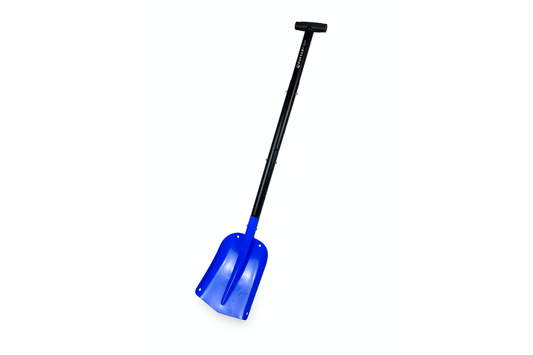
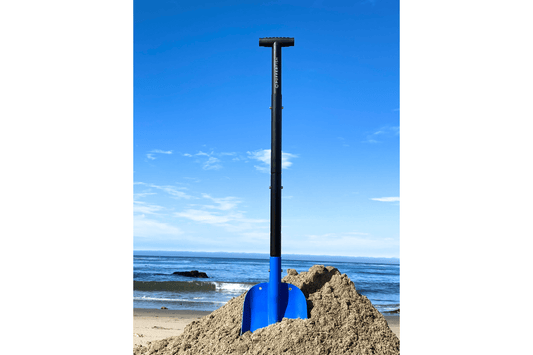
You have options: move your setup closer to the good sand, or bring a bucket to transport sand to your preferred location. Sometimes the perfect building sand is worth the extra few steps. A big shovel makes moving sand faster if you decide to relocate.
How long does good sand stay good?
Beach conditions shift throughout the day. Morning sand might be perfect for carving, but afternoon wind can dry it out. Sun, wind, and tides all change the sand over time. If you take a long break or notice conditions changing, do a quick re-test before starting your next build.
Related Links
Ready to build? Check out our 5-step sandcastle building method for a systematic approach that works with any sand type.
For the science-curious builders in your family, explore our deeper dive into sand science with Prof. Art to understand why some beaches create better building conditions than others.