
Beach Build Field Notes: Santa Cruz Beaches for Sandcastle Building

The Quick Summary: Our Santa Cruz Observations
We've field-tested three Santa Cruz beaches specifically for sandcastle building quality: Seabright (Castle Beach), Twin Lakes, and Panther Beach [SRC-001] [SRC-002] [SRC-003]. Each has different sand characteristics and building strengths—from Seabright's fine "sugar sand" that stacks beautifully to Panther Beach's angular grains that hold crisp carved details. Always do The 2-Minute Beach Build Check when you arrive, as conditions vary by season, tide, and even specific beach zones.
Quick Answer: Which Santa Cruz Beach for Your Build?
Based on our field observations, Seabright (Castle Beach) has fine "sugar sand" that's excellent for stacking towers and basic castle shapes [SRC-001]. Twin Lakes offers clean, forgiving sand that works well for beginners [SRC-002]. Panther Beach features angular sand that locks well and holds crisp edges, making it ideal for detailed carving work [SRC-003].
Our Beach Build Field Notes
About this guide: This page compiles our first-hand field testing with observable characteristics. Conditions change with tides, weather, and seasons—verify with The 2-Minute Beach Build Check on arrival. Last updated: February 2026.
| Beach | Feel | Squeeze Test | Good For | Access |
|---|---|---|---|---|
| Seabright (Castle Beach) | Fine "sugar sand" | Holds shape well in berm zone | Stacking, towers | Easy parking |
| Twin Lakes | Fine and clean | Forgiving moisture window | Beginners, stacking | Beach-level access |
| Panther Beach | Angular, gritty | Locks well, shears cleanly | Carving, detail work | Steep path required |
📍 Seabright State Beach (Castle Beach)
View on Google Maps
From our field testing at Seabright, the sand has a distinctly fine, "sugar sand" texture [SRC-001]. In the berm zone (that flat middle area of the beach), the squeeze test typically shows sand that holds its shape well without dripping water. The high mineral content gives the sand a rich, varied coloration that's quite beautiful in finished builds.
What we observed: This sand excels at stacking—wide, stable towers and traditional castle shapes. The fine grain size packs densely, creating solid foundations. Water access is convenient from the berm zone, making it practical for larger family builds.
📍 Twin Lakes Beach
View on Google Maps
Our observations at Twin Lakes reveal fine, clean sand with what builders describe as a more "forgiving moisture window" [SRC-002]. The squeeze test often succeeds even when conditions aren't perfectly dialed in—great news for families with younger builders who are still mastering the technique.
What we observed: This sand appears particularly beginner-friendly. It holds together well for basic shapes and stacking without demanding precision in water content. The beach layout provides good access to both building areas and water for refilling buckets.
Look for the berm zone—that flat area between high and low tide marks. This "Goldilocks zone" typically has the best moisture content and grain mix for building, regardless of which Santa Cruz beach you choose.
📍 Panther Beach
View on Google Maps
Field notes from Panther Beach describe angular, gritty-textured sand [SRC-003]. When compressed in the squeeze test, this sand tends to lock together well and shears cleanly when cut—excellent characteristics for builders who want to add detailed features or carved elements to their creations.
What we observed: The angular grain structure creates sand that holds crisp edges beautifully. Carved windows, doors, and decorative elements stay sharp rather than rounding off. However, note that accessing this beach requires navigating a steep path.
The 2-Minute Beach Build Check (Verify These Notes)
Using The 2-Minute Beach Build Check framework [SRC-004], you can quickly evaluate any beach's sand quality and adapt your building plans accordingly:
Step 1: Feel Test (10 seconds)
Walk to the berm zone—that flat area in the middle of the beach. Grab a handful of sand from palm-deep, not just the surface. Sugar-like and fine? Gritty and coarse? Sharp shell fragments mixed in?
Step 2: Squeeze Test (10 seconds)
Compress a handful firmly for 3 seconds, then open your hand. Does the sand hold its shape? Does water drip out? Does it crumble immediately?
Step 3: Wall Test (60 seconds)
Pack a small test wall about 4 inches high. Watch it for 30 seconds. Does it slump? Hold its shape? Can you shave clean edges with your finger?
Step 4: Verdict (30 seconds)
Based on what you observed: Is this sand good for stacking tall towers? Better for carving details? Perfect for drip castles? Something else entirely?
"The same beach can be completely different in winter versus summer—even the same day can vary with the tide. These field notes give you a starting point, but the squeeze test tells you what's happening right now."
What Makes Santa Cruz Sand Different
In the Santa Cruz littoral cell, the "cutoff diameter" for beach sand is approximately 0.18mm [SRC-005]. This determines what sized particles get deposited on our beaches versus what gets washed away by waves and currents.
This geological process is why each Santa Cruz beach develops distinct characteristics. Seabright's protected position in the bay allows finer particles to settle, creating that "sugar sand" texture. Panther Beach's more exposed location means coarser, more angular grains survive the wave action.
Santa Cruz is part of a littoral cell that transports sediment along our coastline. This system determines why grain size varies between beaches and even across seasons as storm patterns change.
Seasonal variations also matter significantly. Winter storms bring fresh sediment and can completely change a beach's sand profile. Summer conditions tend to sort the existing sand, often concentrating the finest grains in the berm zones where builders prefer to work.
Practical Beach Details
Parking and Access:
- Seabright State Beach: Large parking lot with easy beach access. Can fill up on summer weekends.
- Twin Lakes Beach: Street parking available near beach access. Short, easy walk to sand.
- Panther Beach: Roadside parking along Highway 1. Requires steep 5-minute hike down cliff path.
Best Times for Sand Building:
Generally, mid-morning to early afternoon works well at all three beaches. This timing avoids the windiest parts of the day while still giving you several hours before afternoon breezes pick up. Weekend crowds arrive later, so early starts mean more space for ambitious builds.
What to Bring by Beach Type:
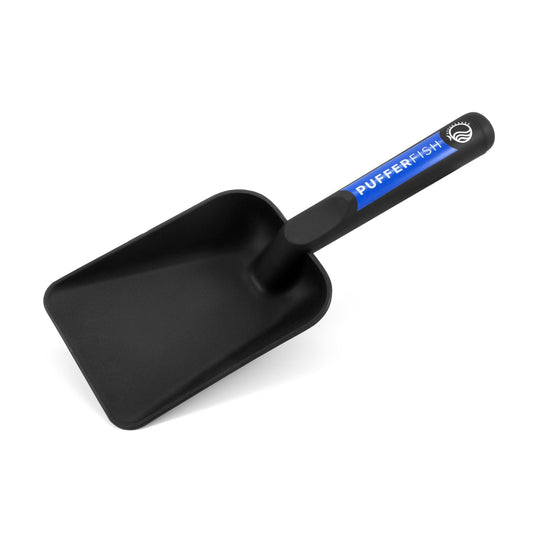
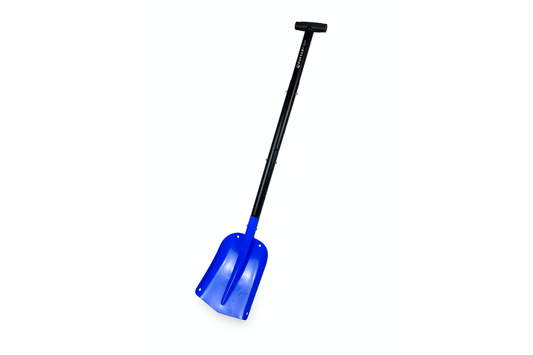
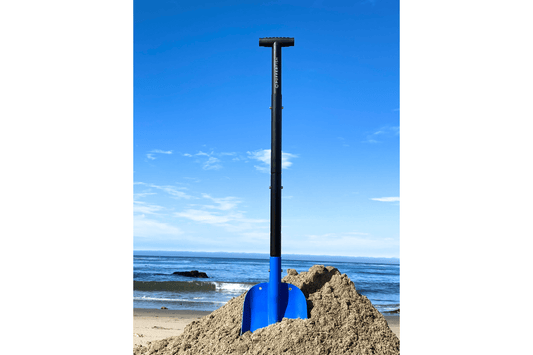
For Seabright's fine sand, bring tools for stacking and shaping—the Super Scoop's flat back is perfect for compacting those stable layers. At Panther Beach, detail-carving tools work beautifully with the angular sand. Twin Lakes' forgiving nature makes it ideal for introducing kids to the basics of sandcastle building.
FAQ: Santa Cruz Beach Building
Which Santa Cruz beach works best for beginners?
Based on our field observations, Twin Lakes Beach offers the most forgiving sand for families new to castle building [SRC-002]. The sand holds together well even when moisture levels aren't perfectly dialed in, and the easy beach access means less gear-hauling for parents.
Where can I park closest to good building sand?
Seabright State Beach has the most convenient parking-to-sand access [SRC-001]. The parking lot is right at beach level, and the berm zone with quality building sand is just a short walk from the lot.
Do sand conditions change with the tides?
Absolutely. Tidal cycles redistribute moisture across the beach and can expose or cover different sand layers. What was perfect building sand at low tide might be too wet or too dry a few hours later. This is why we always recommend doing The 2-Minute Beach Build Check when you arrive, regardless of previous conditions.
What if the sand doesn't match these field notes when I arrive?
These observations give you a baseline, but beach conditions are always dynamic. If the sand seems different, adapt your building style to what you find. Sand too wet near the water? Move up the beach. Too dry in the upper zones? Add water or try drip castle techniques. The beach always has something to offer if you know how to read it.
Can I build year-round at these Santa Cruz beaches?
Weather permitting, yes. Winter storms can dramatically change sand profiles, sometimes bringing completely different grain sizes or moisture patterns. Summer conditions tend to be more predictable, but winter can offer surprises���sometimes better sand than expected as storms redistribute sediment.
Do I need special tools for Santa Cruz beaches?
The standard tools work well at all three beaches. However, if you're planning to take advantage of Panther Beach's carving-friendly sand, tools with crisp edges will help you get clean details. For more information about what makes sand ideal for different building techniques, our sand science guide covers the physics behind why these grain characteristics matter.
Related Links
For next steps after choosing your Santa Cruz beach location: