
Capitola Beach Festival 2026: Complete Guide
At a Glance
Capitola Art & Wine Festival 2026 runs September 13-15 at Capitola Village with 150+ vendors, live music, and direct beach access [SRC-EVENT-001]. Free admission, paid parking. Best beach building opportunities are early morning (8-10am) before crowds peak. This unique festival combines art, wine, and food with one of Santa Cruz County's most family-friendly beaches—perfect for turning your cultural day into a memorable beach adventure.
🎪 Official Site: Capitola Art & Wine Festival (Note: Official festival website details to be verified)
Provenance
About this guide: Phase 0: Compiled Field Notes. This combines official festival information with our local Santa Cruz area expertise and family-tested strategies for combining festival activities with beach building. Conditions and festival details may change—verify specifics with official sources. Last updated: February 2026.
Festival Overview: Art, Wine & Beach Access
The Capitola Art & Wine Festival transforms the charming village into a cultural hub with over 150 vendors showcasing everything from handcrafted jewelry to local wines [SRC-EVENT-001]. What sets this festival apart from typical art fairs is its unique beachfront location—you can literally walk from browsing pottery to building sandcastles in under two minutes.
The festival sprawls across Capitola Village, with vendor booths lining the streets and spilling onto the beach approach. Live music stages anchor both ends of the event, creating different atmospheric zones throughout the day. Food trucks and wine tasting stations cluster near the village center, while the quieter artisan sections extend toward the residential areas.
What makes this festival special for families is the seamless integration with beach access. Unlike inland art festivals where you're committed to staying put, here you can easily flow between cultural exploration and beach play. Kids can get their festival wristbands stamped, grab some kettle corn, then head straight to the sand for an hour of building before returning to browse with parents.
The beach entrance sits right at the heart of the festival footprint. You'll walk past the last row of vendor booths and find yourself on Capitola Beach within 30 seconds. This proximity means you don't need to choose between festival activities and beach time—you can genuinely do both.
Park once and walk everywhere. The festival and beach are so close together that moving your car between activities wastes time and parking spots. Arrive early (before 9am) to snag street parking within two blocks of both the festival entrance and beach access.
Best Times for Beach Building
Early morning (8-10am) offers the sweet spot for beach building during festival weekend. The festival doesn't officially kick off until 10am, so you have the beach nearly to yourself while vendors are still setting up. The sand quality is at its most consistent after overnight tide cycles, and you'll avoid both festival crowds and peak sun exposure.
| Time | Beach Conditions | Festival Activity | Best For |
|---|---|---|---|
| 8-10am | Optimal sand, few people | Setup, early vendors | Serious building projects |
| 10am-12pm | Good conditions, increasing crowds | Festival opening, browsing | Quick builds, family photos |
| 12-3pm | Crowded, peak sun | Full festival swing, food/wine | Festival focus, shade breaks |
| 3-5pm | Less crowded, softer sand | Vendor wind-down | Relaxed building, older kids |
| 5-7pm | Cooling off, great light | Live music peak | Family time, sunset builds |
Midday (12-3pm) brings the festival crowd peak, which means prime beach real estate becomes scarce. The area directly in front of the festival entrance can get surprisingly busy with families doing exactly what you're planning—combining art browsing with beach time. If you're building during these hours, walk 50 yards north or south from the main access point to find more space.
Late afternoon (3-5pm) brings a natural lull as day-visitors head home and evening crowds haven't yet arrived. The festival vendors often take a break during this window, making it surprisingly peaceful. The sand tends to be softer by this time of day, which works well for detail work and carving but less ideal for tall tower construction.
Sandcastle Building Opportunities
Capitola Beach during festival weekend offers solid building conditions with a few festival-specific considerations [SRC-BEACH-001]. The beach features a generous berm zone—that flat middle section where sand typically packs well for traditional castle building. During festival hours, expect this prime building real estate to be busier than usual, but there's plenty of space if you're willing to walk a bit.
The beach faces south, which means morning sun hits the water and sand at a gentle angle, creating ideal conditions for photography. Festival crowds mean you'll have an enthusiastic audience for impressive builds—kids often gather to watch and ask questions, turning your sandcastle session into an impromptu demonstration.
Using The 2-Minute Beach Build Check when you arrive helps set realistic expectations [SRC-002]. Grab sand from the berm area (avoiding the high-traffic zone right in front of the festival), do a quick squeeze test, and pack a small test wall. During our experience, Capitola sand typically holds shape well but benefits from regular re-wetting as you work—keep that water bucket handy.
Festival conditions affect sand quality in subtle ways. Increased foot traffic can pack down the surface layer, so dig palm-deep to find the good building sand underneath. The constant stream of festival-goers also means sand dries out faster than usual from all the activity, making the squeeze test even more important for finding the right moisture level.
Festival foot traffic changes beach dynamics. The sand right at the main access point gets heavily packed from thousands of festival visitors walking through. Walk 20-30 yards north or south to find less compacted sand that's easier to work with.
Family-friendly building spots cluster around the quieter sections north and south of the main festival access. These areas still offer easy festival re-entry but give you space to spread out tools and let kids really dig in. The northern section tends to be slightly less busy, while the southern area offers better wind protection if the afternoon breeze picks up.
Practical Festival + Beach Day Tips
Arrive early and park once—this strategy makes everything easier. Festival parking fills up by 10:30am on Saturday and Sunday, with the closest spots gone by 9am. Street parking within two blocks costs nothing but requires early arrival. Paid lots charge $10-15 for the day but guarantee a spot and easy exit when you're ready to leave.
Pack a festival-beach hybrid kit. Your regular beach bag won't cut it for this combo day. Bring a larger tote or backpack that holds both beach essentials and festival necessities: sunscreen, sandcastle tools, water bottles, small snacks, cash for vendors, and a lightweight blanket that works for both beach sitting and festival shade. A collapsible wagon transforms your carrying capacity if you're bringing kids and serious building tools.
Managing kids between festival and beach requires realistic expectations and strategic timing. Plan for short bursts of each activity rather than extended sessions. Kids typically hit their festival browsing limit after 45-60 minutes, making beach time a perfect reset. Similarly, intensive sandcastle building sessions work best in 30-45 minute chunks before returning to festival stimulation.
The key is reading your crew's energy and following their lead rather than sticking rigidly to a schedule. Some families discover their kids want to build all morning and festival-browse in the afternoon. Others find alternating every hour keeps everyone engaged. The beauty of this festival is the flexibility to flow between activities based on mood and energy levels.
Food and drink logistics benefit from strategic planning. Festival food trucks offer convenience but expect long lines during peak hours (12-2pm). Pack substantial snacks and plenty of water—beach building burns more calories than casual festival strolling. Many families do a big festival lunch around 11:30am before the rush, then rely on snacks for afternoon beach sessions.
Consider the practical realities of sandy hands and festival food. Wet wipes become essential equipment for transitioning between beach building and eating. A small cooler with drinks and snacks positioned at your beach base camp means fewer trips back through festival crowds when kids need fuel.
What to Bring
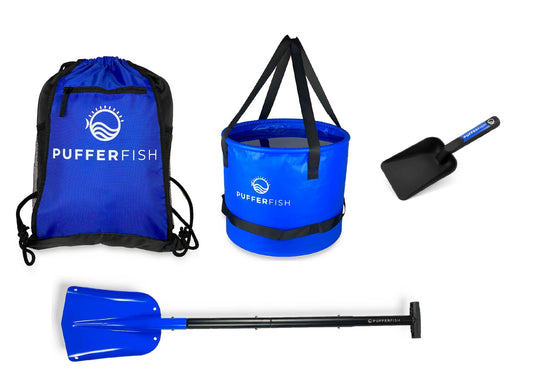
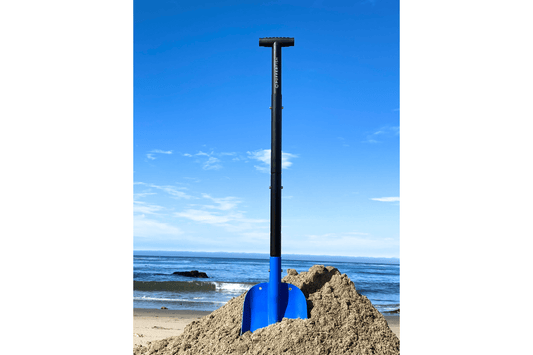
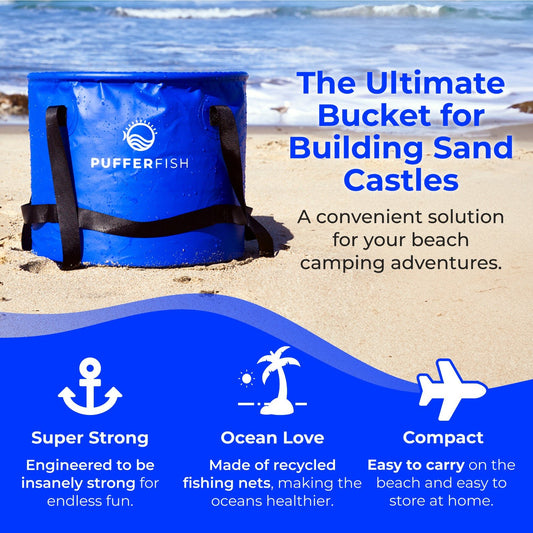
For festival and beach combination days, quality tools make a difference—ergonomic shovels reduce fatigue during longer building sessions, and our collapsible Better Bucket makes water transport easier without taking up festival browsing space in your bag.
Festival essentials:
- Cash for vendors (many don't take cards)
- Reusable water bottles
- Lightweight chairs or blanket
- Small backpack or crossbody bag
- Wet wipes for transitions
Beach building kit:
- Basic digging tools (shovel, hand tools)
- Water transport (bucket or large water bottle)
- Decorating supplies (shells, small toys)
- Towel for cleanup
- Sunscreen and hats
What to Expect
Crowd levels build gradually Saturday morning, peak Saturday afternoon, and maintain steady energy through Sunday. Expect 8,000-10,000 festival attendees across the weekend [SRC-EVENT-001], with roughly 60% concentrated during Saturday's prime hours (11am-4pm). Sunday tends to be more mellow, making it ideal for families who prefer a less hectic festival experience.
Festival atmosphere varies significantly by location and time. The vendor area buzzes with art discussions, live demonstrations, and the gentle hum of commerce. The music stages create distinct energy zones—upbeat near the main stage, more acoustic and relaxed near the secondary venues. The beach access area becomes a natural transition zone where festival excitement meets ocean calm.
Weather in September typically delivers Santa Cruz's finest conditions. Expect morning marine layer clearing by 10-11am, revealing sunny skies with temperatures reaching the mid-70s. Light afternoon winds are common but rarely disrupt sandcastle building. Pack layers—mornings can be cool and foggy while afternoons turn warm and bright. Evening fog may return around 6-7pm, creating dramatic lighting for sunset photos.
Plan 4-6 hours for a satisfying festival and beach combination. Serious art browsing takes 2-3 hours if you're engaging with artists and considering purchases. Meaningful sandcastle building sessions typically run 45-90 minutes depending on ambition level. Factor in food, bathroom breaks, and transition time between activities. Most families find this creates a full but not overwhelming day.
"The magic happens when you stop trying to optimize every minute and just let the day flow. Some years we build elaborate castles and barely see the festival. Others we spend hours talking with artists and only do a quick beach walk. Both are perfect days."
The festival's relaxed pace encourages this kind of organic experience. Unlike highly scheduled events, Capitola's art festival rewards wandering and discovery. Kids naturally gravitating toward the beach while adults browse creates natural family rhythm rather than conflict.
FAQ
Is the Capitola Art & Wine Festival free?
Yes, admission to the festival is completely free [SRC-EVENT-001]. You'll only pay for parking, food, drinks, and any art or crafts you decide to purchase. Some wine tasting booths charge small fees ($5-10) for samples, but browsing and enjoying the atmosphere costs nothing.
Where should I park for easy festival and beach access?
Street parking within two blocks of Capitola Avenue offers the best combination of convenience and cost (free, but arrive before 9am). Paid parking lots on Capitola Avenue charge $10-15 but guarantee spots and easier exit. Avoid parking across the creek—the walk adds 10+ minutes each way, which matters when juggling festival activities and beach time.
Can I bring sandcastle building tools to the festival?
Absolutely! Festival organizers welcome beach equipment since the event specifically celebrates the village's beachfront location. A small tote or backpack easily carries essentials like shovels, buckets, and molds. Many families leave tools at their beach base camp and retrieve them for building sessions between festival browsing.
What if the weather is bad during festival weekend?
The festival runs rain or shine, though vendor participation may be reduced in heavy weather [SRC-EVENT-001]. Beach building becomes less appealing in rain, but the festival offers covered areas and indoor venues for art viewing. September weather in Santa Cruz is typically excellent, but pack light rain jackets if forecasts show uncertainty.
Are there restrooms and food options near the beach?
Yes, portable restrooms are stationed at the beach access point during festival weekend, supplementing the permanent facilities in Capitola Village. Food trucks cluster throughout the festival area, with several positioned near the beach entrance for easy access during building breaks. Plan for higher prices and longer lines than usual due to festival crowds.
How long should we plan for a festival and beach combination day?
Most families find 4-6 hours creates a satisfying experience without exhaustion. This allows 2-3 hours of festival browsing, 1-2 hours of beach building, plus time for meals and transitions. Arrive by 9am to maximize parking options and beat crowds, plan to leave by 3-4pm to avoid afternoon traffic, or stay through evening for live music and sunset beach walks.
Related Links
For more detailed information about Capitola beach conditions and building tips, check out our complete guide to testing sand quality for sandcastles, which includes The 2-Minute Beach Build Check method referenced in this festival guide.
Our Santa Cruz area beaches guide provides broader context about the region's coastal building opportunities and helps you plan additional beach days beyond the festival weekend.